
Dreaming of a First-Floor Addition? How to Keep Costs Down Without Cutting Quality
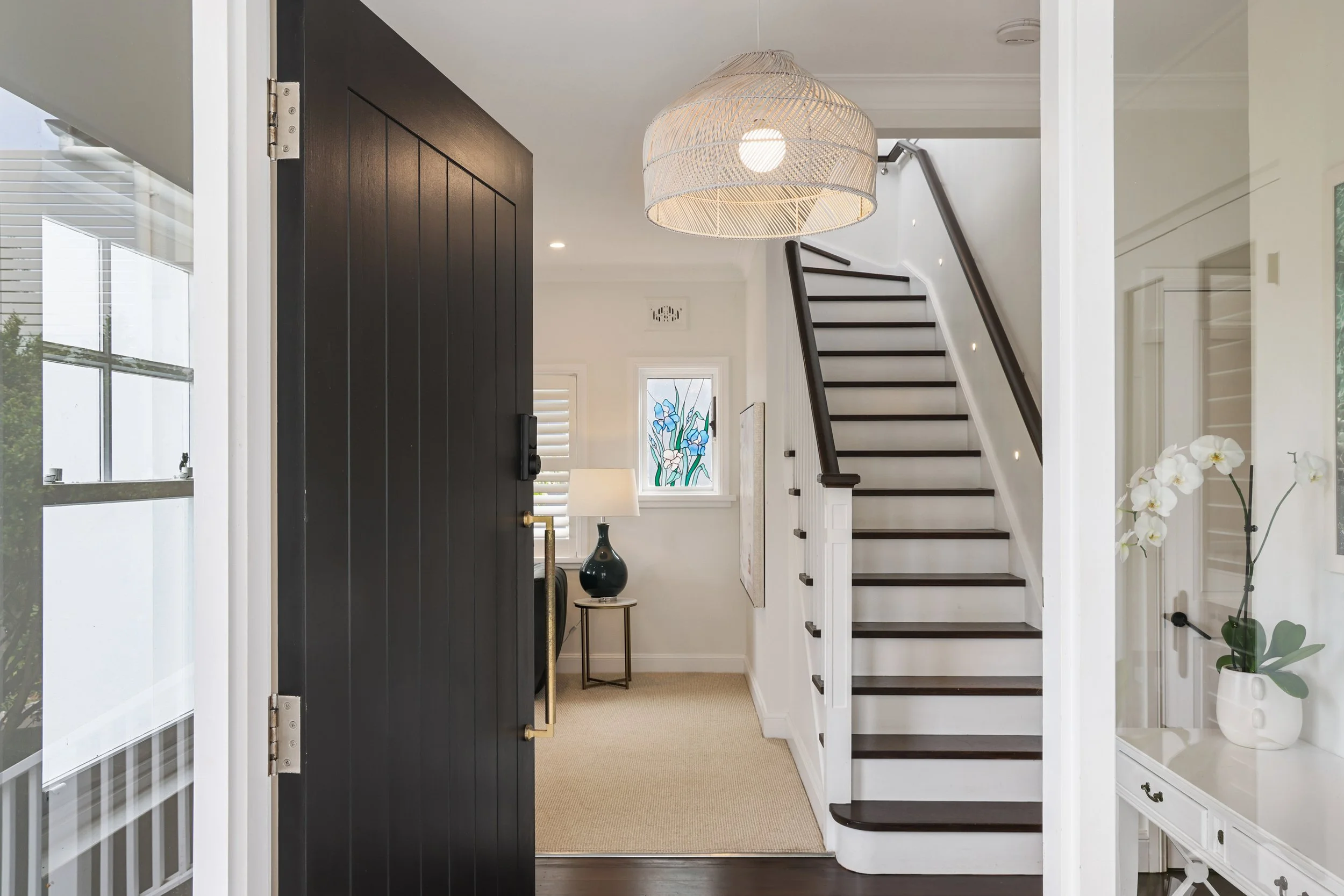
A first-floor addition is one of the most effective ways to transform your home. Whether you need extra bedrooms, a larger living area, a home office, or more space for your growing family, a well-designed extension can improve your lifestyle while adding long-term value to your property.
Many homeowners worry that extending their home will lead to uncontrolled costs. However, a successful first-floor addition is not about spending more—it is about making smart decisions, planning carefully, and investing in the areas that deliver the greatest value.
With the right team and approach, you can achieve a high-quality addition that meets your needs while staying within your budget.
Begin With a Clear Plan and Realistic Budget
The foundation of any successful renovation is thorough planning. Before construction begins, it is important to understand what you want to achieve and where to focus your budget.
Consider:
How the new space will improve your daily lifestyle
Which rooms and features are essential
The level of finishes that suit your home
Allowances for unexpected costs
A detailed budget should account for design, approvals, construction, materials, and contingencies. Careful planning early in the process helps reduce changes, delays, and unnecessary expenses later.
Design for Function, Not Just Size
A great first-floor addition is not simply about creating more space—it is about creating better space.
Efficient layouts, natural light, good ventilation, and strong connections between existing and new areas can make a home feel larger and more comfortable without adding unnecessary complexity.
Overly complicated designs, excessive custom features, and difficult structural changes can quickly increase costs. A practical design that complements your existing home often provides the best balance between quality, functionality, and value.
Choose Quality Materials Wisely
Keeping costs under control does not mean choosing the cheapest materials. The best results come from selecting products that offer the right combination of durability, appearance, performance, and affordability.
Smart choices include:
Durable finishes suited to everyday living
Energy-efficient materials that reduce future running costs
Reliable products that are readily available
Quality finishes in areas that have the greatest impact
A thoughtfully designed home with carefully selected materials will often feel more luxurious than one that simply relies on expensive finishes.
Work With Your Existing Home
One of the most effective ways to manage costs is to design your addition around the existing structure.
Where possible, using existing walls, plumbing locations, electrical systems, and access points can simplify construction and reduce unnecessary expenses.
An experienced builder can identify opportunities to improve efficiency, anticipate challenges, and recommend solutions before issues become costly changes.
Invest Where It Matters Most
Not every part of a renovation provides the same return. Prioritising the right areas ensures your budget creates lasting value.
Key investments include:
Structural integrity
Insulation and energy efficiency
Well-designed kitchens and bathrooms
Natural light and ventilation
A practical floor plan
Decorative upgrades can always be added later, but getting the fundamentals right from the beginning is essential.
Involve Your Builder Early
A design-and-build approach can help create a smoother, more cost-effective process. While architects and designers bring valuable creative expertise, an experienced builder provides practical construction knowledge that can identify potential issues before they affect your budget.
By involving your builder early, you can make informed decisions about materials, construction methods, and project timing while ensuring your vision is achievable.
Choose Experience Over the Cheapest Quote
When comparing builders, the lowest price is not always the best value. A cheaper quote may lead to unexpected variations, delays, or compromises in quality.
Look for a builder with:
Experience delivering first-floor additions
A strong reputation for quality workmanship
Transparent pricing
Clear communication
The ability to manage the entire process
The right builder will help you avoid costly mistakes and guide you through each stage of your project.
Plan for the Future
If completing every upgrade at once is not practical, staging your renovation can provide greater flexibility.
A well-planned staged approach allows you to complete the essential construction now while preparing your home for future improvements. Planning for future changes during the initial design phase can prevent expensive modifications later.
Make Decisions Before Construction Begins
Late changes are one of the most common causes of budget increases. Finalising your design, materials, fixtures, and finishes before construction starts helps your builder manage the project efficiently and minimise unexpected costs.
The more prepared you are, the smoother the building process will be.
Final Thoughts
Creating an affordable first-floor addition is about making informed decisions—not cutting corners. With careful planning, efficient design, quality materials, and the guidance of an experienced builder, you can achieve a beautiful extension that enhances your home and delivers lasting value.
A successful addition should balance your vision, lifestyle needs, and budget. By working with the right professionals from the beginning, you can create a home that is functional, comfortable, and built to stand the test of time.