Can you add a second story to a bushfire-prone property?
Build Up. Build Smarter for Bushfire.
Yes, we can design and build your second-story addition with bushfire requirements considered from the very beginning.
Building Up, Not Out
If you're considering a first floor addition in Sydney on bushfire-prone land, early expert advice can help you understand what is possible before you commit to a design or construction budget.
Let’s Work Together
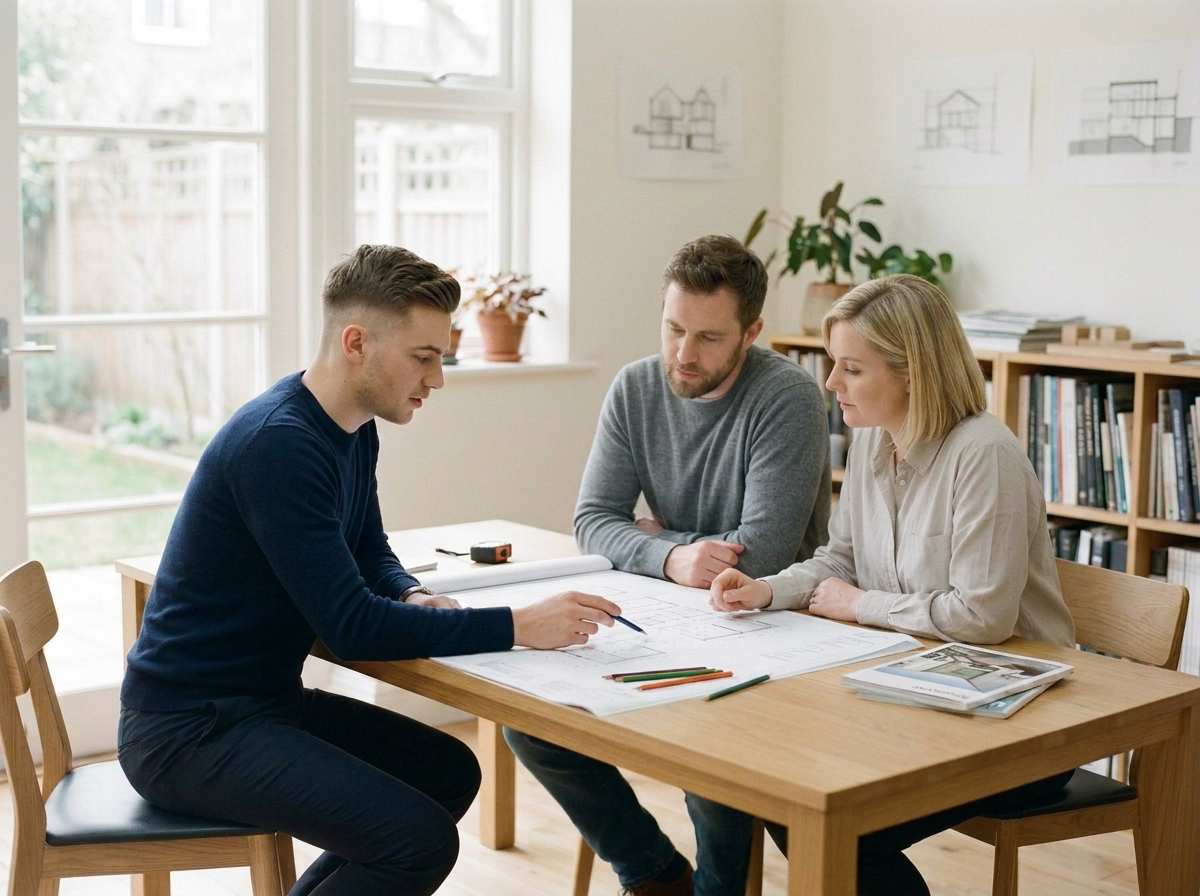
Is your home located on bushfire-prone land? Adding a second storey comes with additional planning, design and construction considerations. We can guide you through the entire process, from initial design and approvals through to construction.
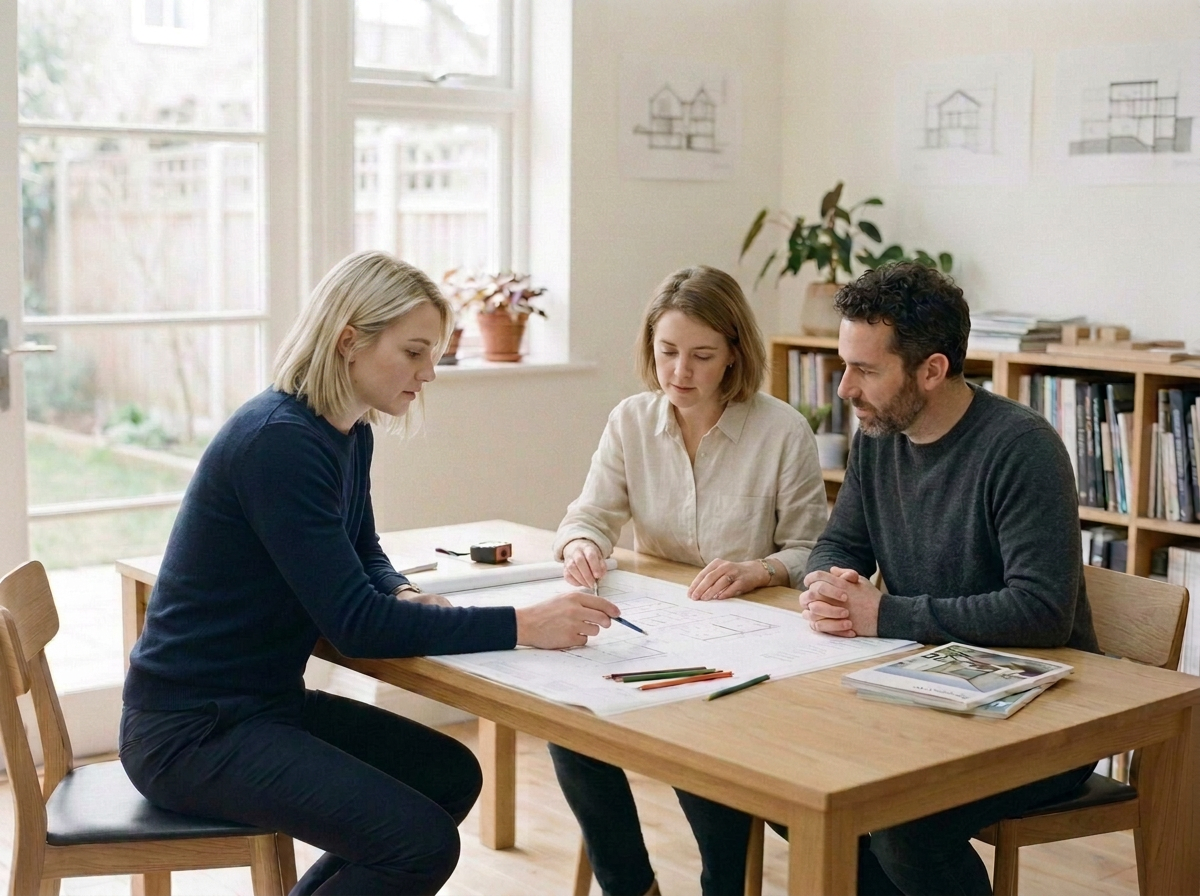
Building a Safe & Beautiful First Floor Addition in a Bushfire-Prone Area
Adding a first floor is one of the most effective ways to create more space without giving up valuable backyard area. Whether you need additional bedrooms, a parents' retreat, a home office or a larger living area, a well-designed first-floor addition can transform an existing home while making better use of the site you already own.
But if your home is located on bushfire-prone land, adding a second story introduces additional planning, design and construction considerations.
Unlike building a new home, a first floor addition has to work with an existing structure. The new level needs to connect safely and seamlessly with the original house while responding to bushfire requirements, planning controls, structural limitations, access, privacy and the character of the existing property.
For homeowners, understanding these requirements early can help avoid expensive redesigns, approval delays and unexpected construction costs.
Bushfire Requirements
When the home is located on bushfire-prone land, the project requires an additional layer of planning and technical consideration.
The key is to address those issues early.
Understanding your property's bushfire designation, obtaining the appropriate professional advice, determining the correct approval pathway, assessing the existing structure and integrating bushfire-resilient construction into the architectural design can help create a smoother and more predictable project.
Just as importantly, bushfire requirements should not dictate the entire architectural character of your home.
With thoughtful design, a first floor addition can provide more space, better natural light, improved views and a stronger connection to the surrounding environment while incorporating the necessary safety measures.
Your Level of Risk
Your level of bush fire risk affects your development requirements – the higher the risk, the more protection you need. We use the term ‘bush fire attack level’, or BAL, to quantify this risk.
Your level of bush fire risk is affected by the area you live, the vegetation, the distance from the vegetation to your home, and the slope. As part of your rebuild process, you will need to confirm your BAL in a written report. The NSW RFS can help with this step.
Alternatively, many people complete this step with a bush fire consultant. You can also do a bush fire attack level risk assessment yourself, but you could possibly slow the process down if there are requests for more information from council.
The Bushfire Attack Level (BAL) is a scale from BAL LOW through to BAL Flame Zone (FZ). Each zone represents the severity of potential bushfire exposure:
BAL LOW: Minimal risk, no special construction requirements.
BAL 12.5: Risk of ember attack; basic ember guards required.
BAL 19: Moderate risk; tougher standards for materials and glazing.
BAL 29: High risk; construction must resist increased radiant heat.
BAL 40: Very high risk; building elements must withstand significant ember attack and heat.
BAL FZ (Flame Zone): Direct exposure to flames; the strictest construction requirements apply.
If you're considering a first-floor addition in Sydney on bushfire-prone land, early expert advice can help you understand what is possible before you commit to a design or construction budget. Add-Style Home Additions is happy to guide you through the process. Call us for a free in-home consultation today on 9907 9055.